Bathing is one of those everyday routines that many people take for granted. As a person gets older, however, getting into and out of the shower or bathtub can become more difficult.
Changes in mobility, balance, strength, flexibility, or confidence may make bathing feel challenging. Even when a senior can manage most daily activities independently, bathing may be one area where a little additional support makes a meaningful difference.
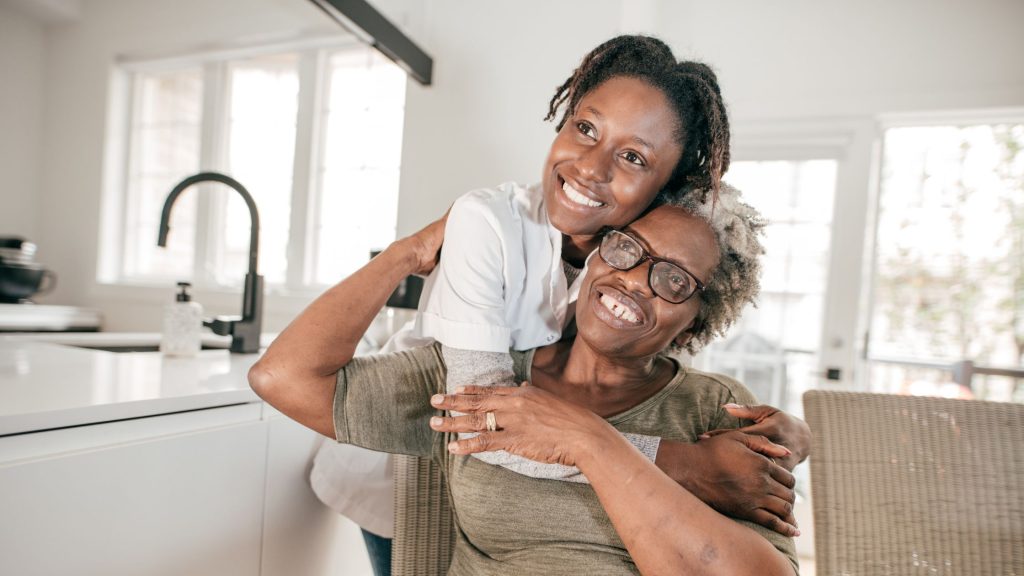
Bathing assistance for seniors can provide practical help while allowing an older adult to maintain as much independence, privacy, and dignity as possible.
For families providing care, understanding what bathing assistance involves can also help determine when additional in-home support may be appropriate.
Why Bathing Can Become More Difficult With Age
Aging does not automatically mean someone needs help with personal care. However, certain everyday movements may become more challenging over time.
For example, a senior may have difficulty:
- Stepping over a bathtub wall
- Standing for an extended period
- Bending down to wash their feet
- Reaching certain areas of the body
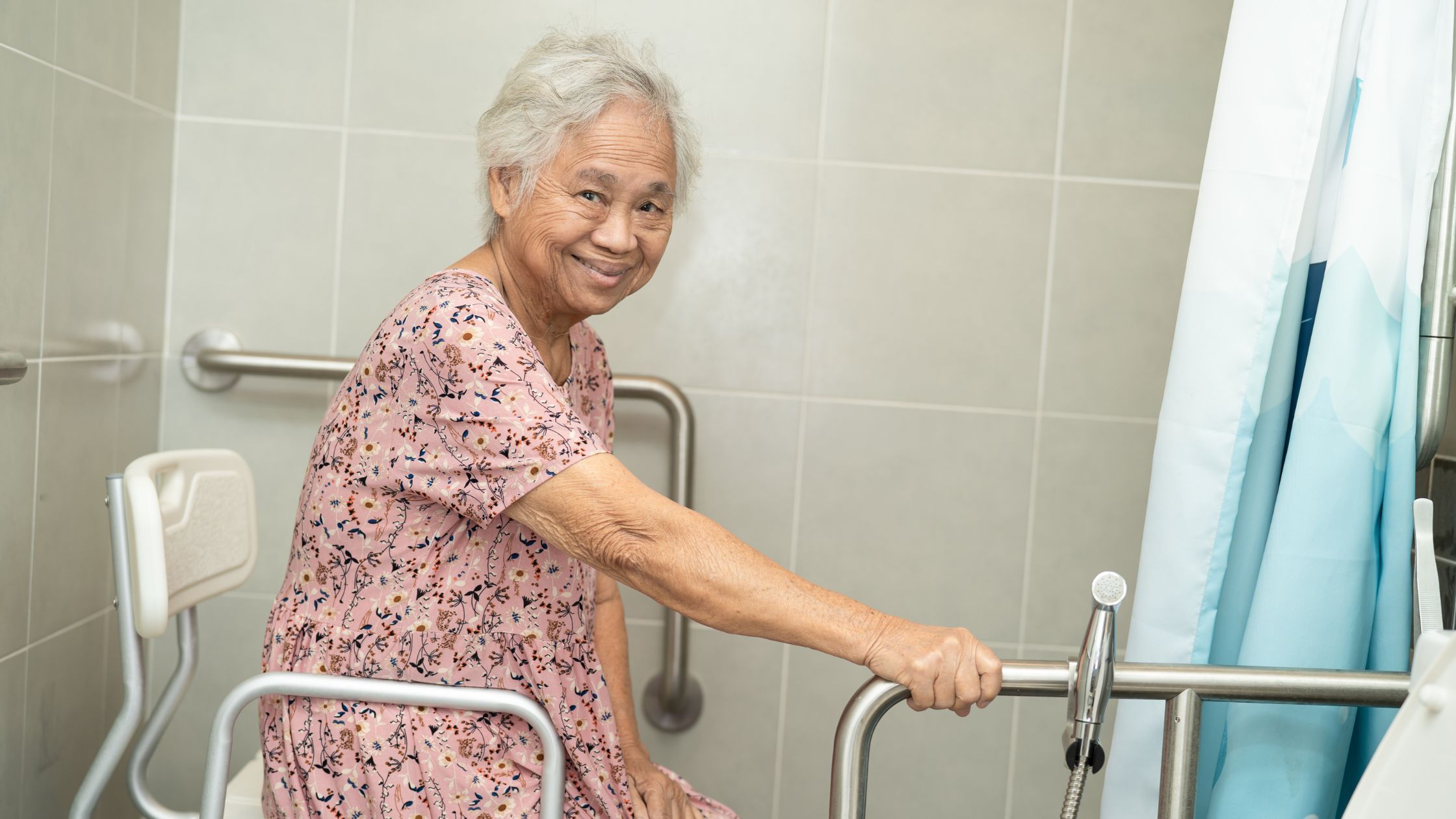
- Getting in and out of a shower safely
- Using slippery bathroom surfaces
- Managing towels, clothing, or toiletries
- Feeling confident while bathing alone
A person who previously enjoyed complete independence may gradually begin avoiding showers because the process feels uncomfortable or unsafe.
This is one reason families should pay attention to changes in normal routines.
What Is Bathing Assistance for Seniors?
Bathing assistance is a form of personal care support designed to help an older adult with bathing-related routines.
Depending on the person’s needs and the services offered by the home care provider, assistance may include support with:
- Preparing the bathroom
- Gathering towels and personal-care items
- Getting ready for bathing
- Entering or exiting the bathing area
- Maintaining balance and stability
- Washing or rinsing when appropriate
- Drying after bathing
- Dressing after a bath or shower
- Cleaning up the immediate area
- Maintaining a comfortable and respectful routine
The exact level of assistance should be based on the individual’s needs and the care plan.
The goal is generally not to take over everything.
Instead, appropriate assistance can help a senior complete a routine they may otherwise struggle to manage independently.
Safety Should Be a Major Consideration
Bathrooms can contain several common household hazards.
Wet floors, slippery surfaces, limited space, and changes in elevation can make the bathroom more challenging for someone with reduced mobility or balance.
Families may want to look at:
1. Bathroom Flooring
Wet flooring can become slippery. Keeping the floor as dry and clear as practical can help create a safer environment.
2. Shower or Tub Entry
Stepping into a bathtub or shower may be difficult for someone with limited balance or mobility.
3. Lighting
Good lighting can make it easier to see floors, fixtures, toiletries, and obstacles.
4. Accessibility
The bathroom should be arranged so that commonly used items can be reached without unnecessary stretching or bending.
5. Clutter
Extra items around the bathing area can create obstacles.
A home care professional can provide practical support with daily routines, but families should also discuss significant safety concerns with appropriate healthcare or accessibility professionals when needed.
Bathing Assistance Should Protect Dignity
For many older adults, asking for help with bathing can feel uncomfortable.
Bathing is personal. A senior may worry about losing independence or privacy.
That is why the way assistance is provided matters.
A respectful caregiver should approach personal care with:
- Patience
- Professionalism
- Respect
- Privacy
- Clear communication
- Sensitivity to personal preferences
The senior should be involved in the routine as much as possible.
For example, a caregiver might allow the person to complete the parts they can safely manage while providing assistance only where needed.
This can help preserve a sense of control.
Encouraging Independence During Personal Care
Needing assistance does not mean a senior has lost their independence.
In fact, the right amount of support can sometimes help a person continue living at home and participating in everyday routines.
A caregiver may encourage independence by allowing the senior to:
- Choose their preferred bathing time
- Select their clothing
- Gather items they can safely reach
- Wash areas they can comfortably manage
- Complete dressing steps independently
- Communicate how they prefer their routine to be handled
The objective is to support the person rather than unnecessarily replace their abilities.
When Might a Senior Need Bathing Assistance?
Every situation is different, but families may want to consider additional support if they notice changes such as:
- Avoiding showers or baths
- Becoming nervous about bathing alone
- Taking significantly longer to bathe
- Difficulty getting in or out of the tub
- Trouble standing for long periods
- Difficulty reaching certain areas
- Increasing dependence on family members
- Needing help getting dressed afterward
- Repeated concerns about bathroom safety
- Changes in personal hygiene routines
One isolated change does not necessarily mean a person needs home care.
However, several changes occurring together may be worth discussing with the family and the senior.
Bathing Assistance Can Also Help Family Caregivers
Family members often want to help an aging parent, spouse, or relative as much as possible.
But personal care can be difficult to coordinate around work, children, appointments, and other responsibilities.
Having a non-medical caregiver provide appropriate personal care support can give family members additional time and flexibility.
Instead of a family member needing to rearrange their entire day around every bathing routine, professional in-home support may be available according to the person’s care schedule.
This can be particularly helpful when families are balancing caregiving responsibilities with their own daily lives.
What Non-Medical Home Care Can and Cannot Do
It is important to understand the difference between non-medical home care and medical or skilled healthcare services.
Non-medical caregivers can commonly assist with everyday activities and personal routines, depending on the provider’s services and the individual’s care plan.
This may include:
- Bathing assistance
- Dressing support
- Companionship
- Meal preparation
- Light housekeeping
- Grocery shopping
- Errands
- Assistance with daily routines
Medical care, diagnosis, treatment, medication management requiring clinical judgment, and other skilled healthcare services may fall outside the scope of a non-medical home care provider.
Families should always discuss specific needs with the provider before beginning care.
How Families Can Make Bathing More Comfortable
A few simple changes may make a bathing routine easier for an older adult.
Consider:
- Keeping frequently used items within safe reach
- Improving bathroom lighting
- Removing unnecessary clutter
- Keeping floors dry
- Establishing a consistent bathing routine
- Allowing enough time so the senior does not feel rushed
- Respecting the person’s preferred routine
- Discussing concerns before they become emergencies
The appropriate modifications depend on the person’s individual circumstances.
How to Talk to a Parent About Bathing Assistance
Starting the conversation can sometimes be harder than arranging the actual support.
Instead of saying, “You can’t bathe by yourself anymore,” families can approach the conversation more gently.
For example:
“We want to make things easier and safer for you. Would having someone available to help with your routine make things more comfortable?”
The conversation should focus on support rather than loss of independence.
Give the senior an opportunity to explain what they find difficult and what kind of help they would be comfortable receiving.
Bathing Assistance in the Comfort of Home
Many seniors prefer to remain in familiar surroundings.
Receiving appropriate in-home assistance can allow an older adult to continue following familiar routines without necessarily moving into a residential care setting.
For families considering bathing assistance for seniors, the goal is not simply completing a shower or bath.
It is about supporting safety, dignity, comfort, and independence while giving families additional peace of mind.
How Kwate Homecare LLC Can Help
Kwate Homecare LLC provides non-medical, in-home support for seniors and families in Central Indiana.
Our caregivers can provide assistance with personal routines, companionship, meal preparation, light housekeeping, errands, and other everyday needs based on the individual’s care plan.
We serve families in Hendricks, Marion, Hamilton, and Brown Counties, including communities such as Avon, Plainfield, Brownsburg, Indianapolis, Carmel, Fishers, Noblesville, and Nashville.
If your loved one needs additional support with everyday routines, a conversation with a home care provider can help you understand the available options.
Call Kwate Homecare LLC at (317) 998-5954 to discuss your family’s home care needs.
Frequently Asked Questions
What is bathing assistance for seniors?
Bathing assistance is support provided to an older adult during bathing-related routines. Depending on the individual’s needs and the provider’s services, this may include preparation, entering or exiting the bathing area, washing, drying, and dressing assistance.
Does bathing assistance mean a senior is no longer independent?
No. Appropriate assistance can actually help a senior continue participating in daily routines while receiving help with the parts they find difficult.
Is bathing assistance medical care?
Bathing assistance provided by a non-medical home care agency is generally considered personal care support rather than medical treatment. Families should discuss specific needs with their provider.
How often can a senior receive bathing assistance?
The schedule depends on the individual’s needs, care plan, and the home care provider’s available services.
Can family members still be involved?
Yes. Family members can remain involved in care while professional caregivers provide additional support according to the agreed care plan.
When should a family consider bathing assistance?
Families may consider assistance when an older adult has increasing difficulty with bathing, feels unsafe, avoids bathing, or needs help completing personal-care routines.

developer_ksa
Sharing practical guidance and helpful resources to support families as they navigate home care and everyday wellbeing.