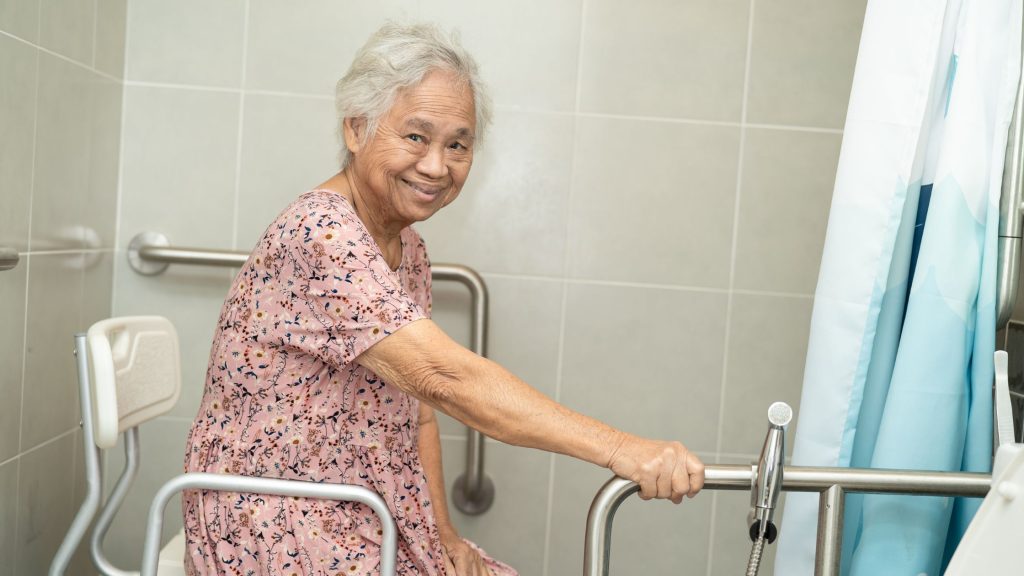
When families begin looking for help for an aging parent or loved one, they often encounter terms such as home care, non-medical home care, and home health care.
Although these services are provided in a person’s home, they are not the same.
Understanding the difference between home care vs. home health care can help families identify the type of support their loved one may need and avoid choosing a service that does not match their situation.
For many families, the key distinction is simple:
Non-medical home care focuses on everyday assistance and personal support, while home health care involves skilled healthcare services.
This guide explains the differences and helps Indiana families understand where non-medical home care may fit into a senior’s overall care plan.
What Is Non-Medical Home Care?
Non-medical home care provides assistance with everyday activities in a person’s home.
The purpose is generally to help an individual maintain their routine, comfort, independence, and quality of life while receiving appropriate support.
Depending on the care plan, non-medical home care may include:
- Companionship
- Meal preparation
- Grocery shopping
- Light housekeeping
- Bathing assistance
- Personal care assistance
- Everyday routines
- Appropriate errands
- Respite support
- Flexible hourly care
A non-medical caregiver is not a substitute for a doctor, nurse, therapist, or other skilled healthcare professional.
What Is Home Health Care?
Home health care refers to skilled healthcare services delivered in the home by qualified healthcare professionals when medically appropriate.
Depending on the individual’s circumstances and orders, home health services may involve professionals such as:
- Nurses
- Physical therapists
- Occupational therapists
- Speech therapists
- Other qualified healthcare professionals
The exact services available depend on the person’s medical needs, provider, eligibility, and applicable requirements.
If your loved one requires skilled medical care, speak with their healthcare provider about appropriate services.
Home Care vs. Home Health Care at a Glance
| Non-Medical Home Care | Home Health Care |
| Everyday support | Skilled healthcare |
| Companionship | Clinical services |
| Meal preparation | Healthcare treatment |
| Grocery assistance | Rehabilitation services |
| Light housekeeping | Skilled nursing when appropriate |
| Bathing assistance | Therapy when ordered/appropriate |
| Personal care assistance | Medical monitoring/treatment as applicable |
| Respite for family caregivers | Healthcare-focused support |
The exact services offered by each provider can vary, so families should always confirm what a provider can and cannot provide.
What Does a Non-Medical Caregiver Do?
A non-medical caregiver may help with the practical parts of everyday life.
For example, a caregiver may assist with:
Companionship
Conversation and social interaction can be especially valuable for seniors who spend much of their time alone.
Meals
Caregivers may assist with appropriate meal preparation.
Grocery Shopping
Grocery-related assistance may help seniors who have difficulty shopping independently.
Light Housekeeping
Appropriate household tasks can help maintain a comfortable living environment.
Bathing and Personal Care
Depending on the care plan, caregivers may provide appropriate assistance with bathing, grooming, dressing, and other personal routines.
Respite Support
Professional caregivers can provide scheduled support while family caregivers take time to work, rest, or manage other responsibilities.
What Does Home Health Care Do?
Home health care is focused on skilled healthcare needs.
Depending on the situation, services may include:
- Skilled nursing
- Physical therapy
- Occupational therapy
- Speech therapy
- Other medically necessary home-based services
The appropriate service depends on the individual’s health needs and the healthcare provider’s recommendations.
Why Do Families Confuse Home Care and Home Health?
The confusion is understandable.
Both services can:
- Take place in the home
- Support older adults
- Involve caregivers or healthcare professionals
- Help families manage changing needs
But the purpose and scope of the services are different.
For example:
If your parent needs help preparing meals and keeping up with household tasks, non-medical home care may be relevant.
If your parent needs skilled medical treatment or rehabilitation, home health may be more appropriate.
Sometimes a person may need both types of support.
Examples: Which Type of Care Might Be Relevant?
Example 1: Help With Meals
Your parent can manage most daily activities but has difficulty preparing meals.
Potentially relevant: Non-medical home care.
Example 2: Help With Housekeeping
Your loved one struggles to keep the home clean but does not require medical treatment.
Potentially relevant: Non-medical home care.
Example 3: Physical Rehabilitation
A healthcare provider determines that your parent needs physical therapy at home.
Potentially relevant: Home health care.
Example 4: Companionship
Your parent lives alone and wants someone to spend time with them.
Potentially relevant: Companion care.
Example 5: Skilled Medical Care
Your loved one requires skilled nursing services at home.
Potentially relevant: Home health or another healthcare service, depending on the situation.
Can a Senior Receive Both?
In some circumstances, yes.
A senior may receive skilled healthcare services while also receiving non-medical assistance with everyday activities.
For example, a healthcare professional may provide a skilled service while a non-medical caregiver helps with meals, companionship, housekeeping, or personal care.
These roles are different but can sometimes complement one another.
Families should confirm services and eligibility with the relevant providers.
When Should You Contact a Healthcare Provider?
If you’re concerned about a medical condition, sudden change in health, injury, medication issue, or other clinical concern, contact an appropriate healthcare professional.
Non-medical home care should not be used as a substitute for medical evaluation or treatment.
If there is an emergency, contact emergency services.
How Do You Know Which Type of Care Your Parent Needs?
Start by identifying the actual problem.
Ask:
Is the main challenge medical?
If yes, discuss the situation with a healthcare professional.
Is the main challenge everyday living?
If your parent needs assistance with meals, companionship, personal care, household tasks, errands, or family caregiver respite, non-medical home care may be worth exploring.
Is it both?
Your loved one may need multiple types of support.
Questions to Ask a Home Care Agency
Before starting non-medical home care, ask:
- What services do you provide?
- What services do you not provide?
- How are caregivers screened?
- What training do caregivers receive?
- How are care plans created?
- Can care be scheduled hourly?
- Do you provide respite support?
- How do you communicate with families?
- What happens if a caregiver is unavailable?
- How can care be adjusted if needs change?
Non-Medical Home Care in Central Indiana
Kwate Homecare LLC provides non-medical home care for families in:
- Hendricks County
- Marion County
- Hamilton County
- Brown County
Our service communities include:
- Avon
- Plainfield
- Brownsburg
- Indianapolis
- Carmel
- Fishers
- Noblesville
- Nashville
- Surrounding areas
Services may include companionship, meal preparation, grocery shopping, light housekeeping, bathing assistance, personal care assistance, respite support, and flexible hourly care.
Frequently Asked Questions
Is home care the same as home health care?
No. Non-medical home care focuses on everyday support, while home health involves skilled healthcare services.
Does a home caregiver provide medical treatment?
Non-medical caregivers are not substitutes for nurses, doctors, therapists, or other healthcare professionals.
Can home care help with bathing?
Depending on the care plan, non-medical caregivers may provide appropriate bathing and personal care assistance.
Can home care help with meals?
Yes. Meal preparation can be included depending on the care plan and provider’s services.
Can my parent have both home care and home health?
In some circumstances, different providers or services may work alongside one another. Families should coordinate with the relevant providers.
How do I know which service my parent needs?
Look at whether the primary need is everyday assistance, skilled healthcare, or both. If you’re unsure about a medical need, speak with a healthcare provider.
Understanding the Difference Can Make Care Planning Easier
Choosing care for an aging loved one can be confusing, especially when different types of services use similar terminology.
The most important distinction to remember is:
Non-medical home care helps with everyday life. Home health care focuses on skilled healthcare services.
If your loved one needs help with companionship, meals, grocery shopping, light housekeeping, bathing, personal care, or respite support, non-medical home care may be an option to explore.
If skilled medical care is required, speak with an appropriate healthcare professional.
Kwate Homecare LLC provides non-medical home care for families throughout Central Indiana.
Call (317) 998-5954 or request a care plan to discuss your family’s needs.
Care that feels like coming home.

developer_ksa
Sharing practical guidance and helpful resources to support families as they navigate home care and everyday wellbeing.